Quarterly tax deadlines 2026: the dates, the safe harbor, and the math gig workers keep getting wrong
June 15 is the next quarterly due date. Here's how to size each payment so you don't owe an underpayment penalty in April — including the safe-harbor rule most gig workers don't know they can use.
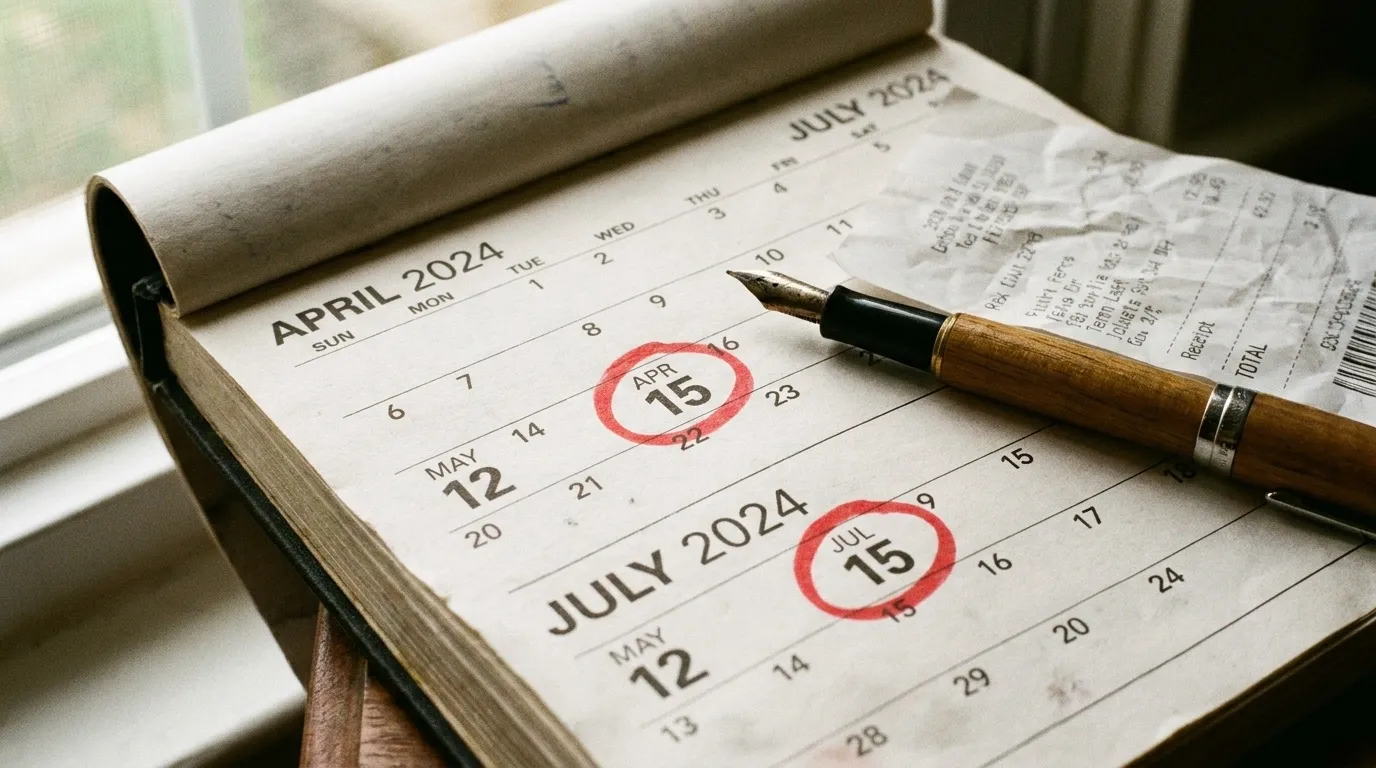
The 2026 quarterly estimated-tax deadlines for federal individual filers are April 15, June 15, September 15, and January 15, 2027. The next one is in three weeks, and a meaningful share of gig workers will either skip it, overpay it, or underpay it badly enough to trigger a penalty next April.
The most useful framing is the safe-harbor rule. If you pay either 90% of your current-year tax liability or 100% of last year’s total tax (110% if your prior-year AGI was over $150,000) in evenly-distributed quarterly payments, the IRS will not charge an underpayment penalty regardless of what you actually owe in April. For most gig workers whose income is reasonably steady year over year, the 100%-of-last-year approach is the safest — pull your 2025 total tax (Form 1040 line 24, not “amount owed”), divide by four, send that each quarter, done.
The exception worth flagging: if your gig income jumped sharply this year (a new platform, a big move to full-time gig work, a new high-paying side hustle), 100% of last year may dramatically underpay relative to what you’ll actually owe in April. You won’t get a penalty, but you’ll get a big bill. The cleaner path in that case is to project your 2026 income honestly and pay 90% of the projected tax in quarterly installments.
Three operational notes. First, the IRS quarters are not actually quarters — Q2 covers two months (April-May), Q3 covers three months (June-August), Q4 covers four months (September-December). Pay according to the actual due dates, not your own quarterly schedule. Second, use EFTPS or IRS Direct Pay rather than mailing a check — both are free, both are confirmed instantly, both create a clean audit trail. Third, state quarterly deadlines often differ from federal — California’s are matched to federal, but several states have their own schedules and you do not want to find out which on April 16.
If you missed Q1 entirely, pay it now along with Q2. The penalty is small and prorated; the worst outcome is letting it compound.